Compare complete hose specifications, handling requirements and documented performance rather than choosing by jacket count alone.
What the jacket count tells a buyer
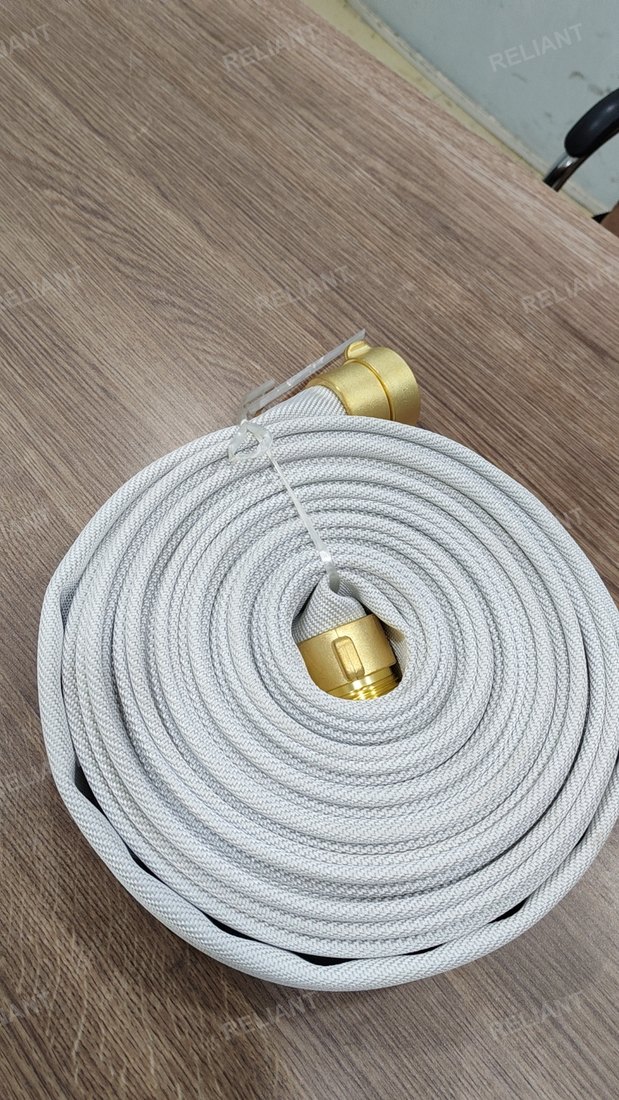
Single jacket fire hose has one woven jacket; double jacket fire hose uses two. The lining and any surface treatment are separate parts of the product description. Jacket count is a useful way to organize a quotation, but it does not by itself define pressure, weight, abrasion performance or suitability. Ask the manufacturer for the construction of the exact model being offered. A photograph of a finished coil may not reveal the number of woven layers reliably.
Compare complete models under the same requirements
To compare single jacket and double jacket fire hose, hold the application, nominal diameter, length and required connection constant. Then compare the documented pressure values, lining, finished assembly weight and relevant performance evidence. If the two offers use different materials or test methods, record those differences before judging price. The result should be a comparison of two specified products rather than a general claim that one category is always superior.
Review handling, storage and sample approval
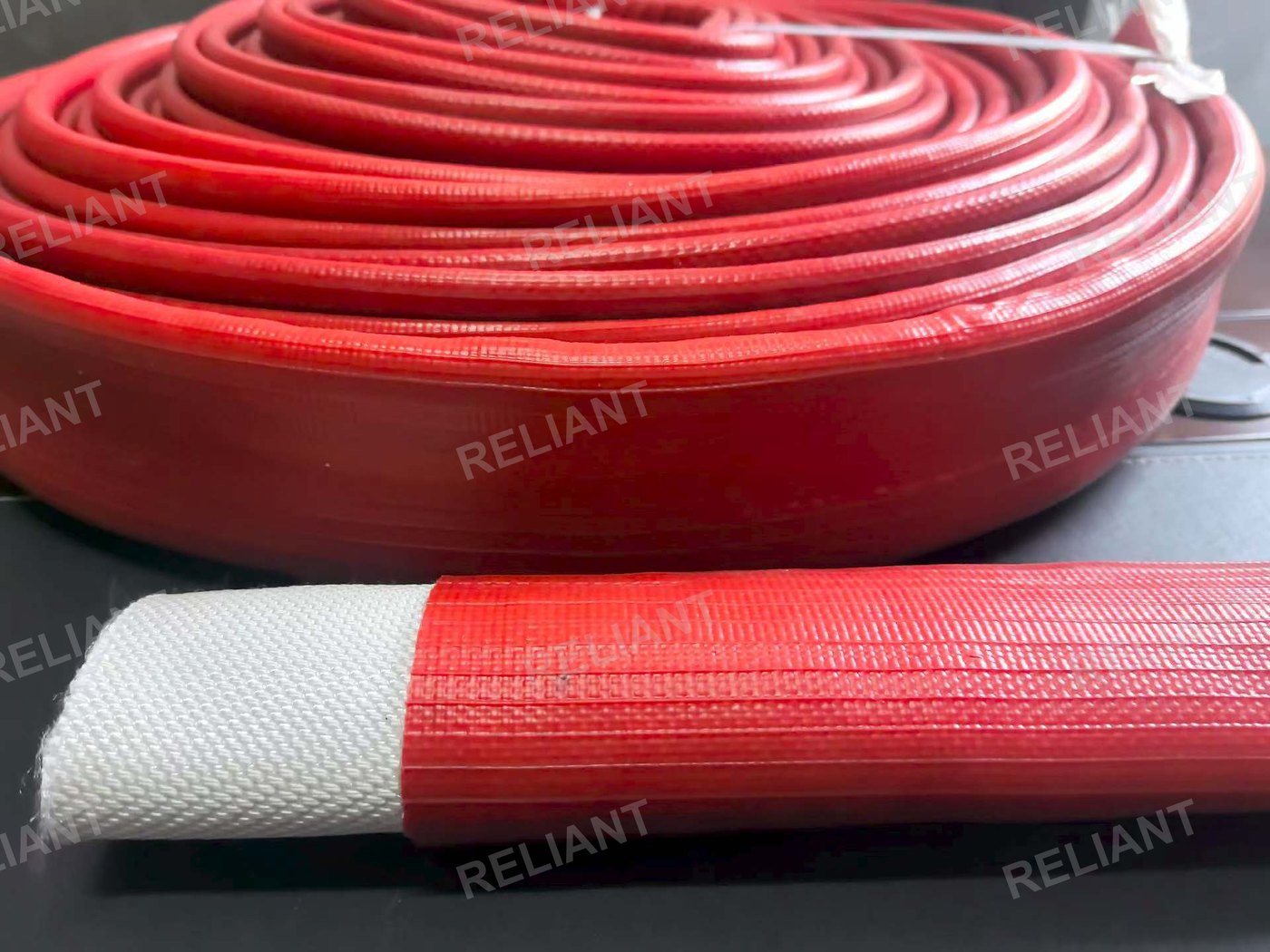
Ask the buyer how the hose will be carried, packed and connected within the intended system. Request finished dimensions and weight for the quoted length, including couplings when supplied. If flexibility or packing space is important, assess a representative sample against agreed requirements. A short sample can help identify material and construction, but it cannot demonstrate all properties of a full-length assembly. Use sample approval and technical documentation together.
Build a distributor specification that can be repeated
Record the approved jacket construction, lining, diameter, length, connection details and marking as one product specification. For repeat orders, retain the approved version and have changes confirmed before production. Reliant Fire supplies single and double woven jacket options with material and customization choices confirmed by model. Include colour, branding and packaging in the approval rather than treating them as informal instructions. This gives purchasing and inspection teams the same reference for the shipment.
Purchasing checklist
| Item | Confirm before ordering |
|---|---|
| Product | Construction, lining, diameter and length |
| Performance | Pressure terminology, model-specific data and required documents |
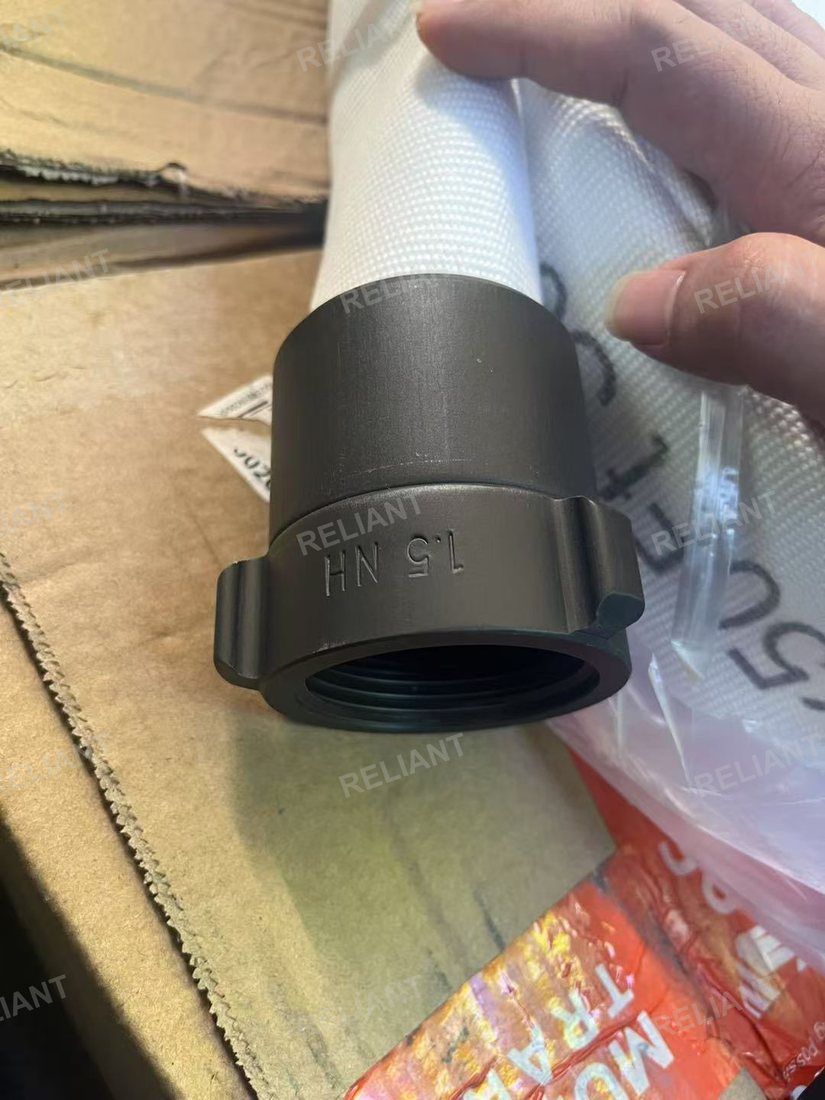
| Connection | Coupling dimensions, gasket and mating equipment |
| Order | Quantity, marking, packaging and delivery terms |
Frequently asked questions
Is double jacket always better than single jacket?
No. Suitability depends on the complete model and application; compare documented requirements.
Does jacket count identify the lining material?
No. Specify the lining separately and confirm the material for the quoted model.
Can I identify jacket count from a product photo?
Not reliably in every case. Request the model construction or a representative cross-section sample.
Which hose is lighter for my order?
Compare finished weights for the same diameter, length and couplings rather than assuming from jacket count.
Can Reliant Fire provide custom colours and marking?
Yes. Confirm the model, colour, artwork, quantity and packing requirements before production.
What should a repeat-order specification include?
Keep construction, lining, dimensions, pressure requirements, connections, marking and packing in one approved record.
Technical reference: fire hose construction. Prepared for procurement readers. Reviewed 2026-10-29. Photographs show individual products; visible markings do not specify the whole range.
← All news