Read pressure labels in context: operating limits, acceptance tests and destructive tests answer different purchasing questions.
Start with the pressure term, not the largest number
Fire hose working pressure describes the intended operating limit for a stated product and conditions. A test figure describes a specified verification procedure. Fire hose burst pressure concerns a destructive test, not a usable operating setting. Before comparing numbers, ask what each label means in the supplied data sheet. Include units and the exact hose model, diameter and assembly. A large number printed on a hose may refer to a test category rather than its permitted normal operation.
Ask which test the supplier means
The word “test” alone is incomplete. A factory proof or acceptance test and an in-service test have different purposes. The required procedure, pressure, duration, sample and acceptance criteria should come from the applicable specification. Manufacturer documentation illustrates why service, proof and burst values are listed separately. Do not copy a ratio from another product family to calculate a missing value. Ask for the actual data applying to the quoted hose and any required report.
Keep the hose and connection requirements aligned
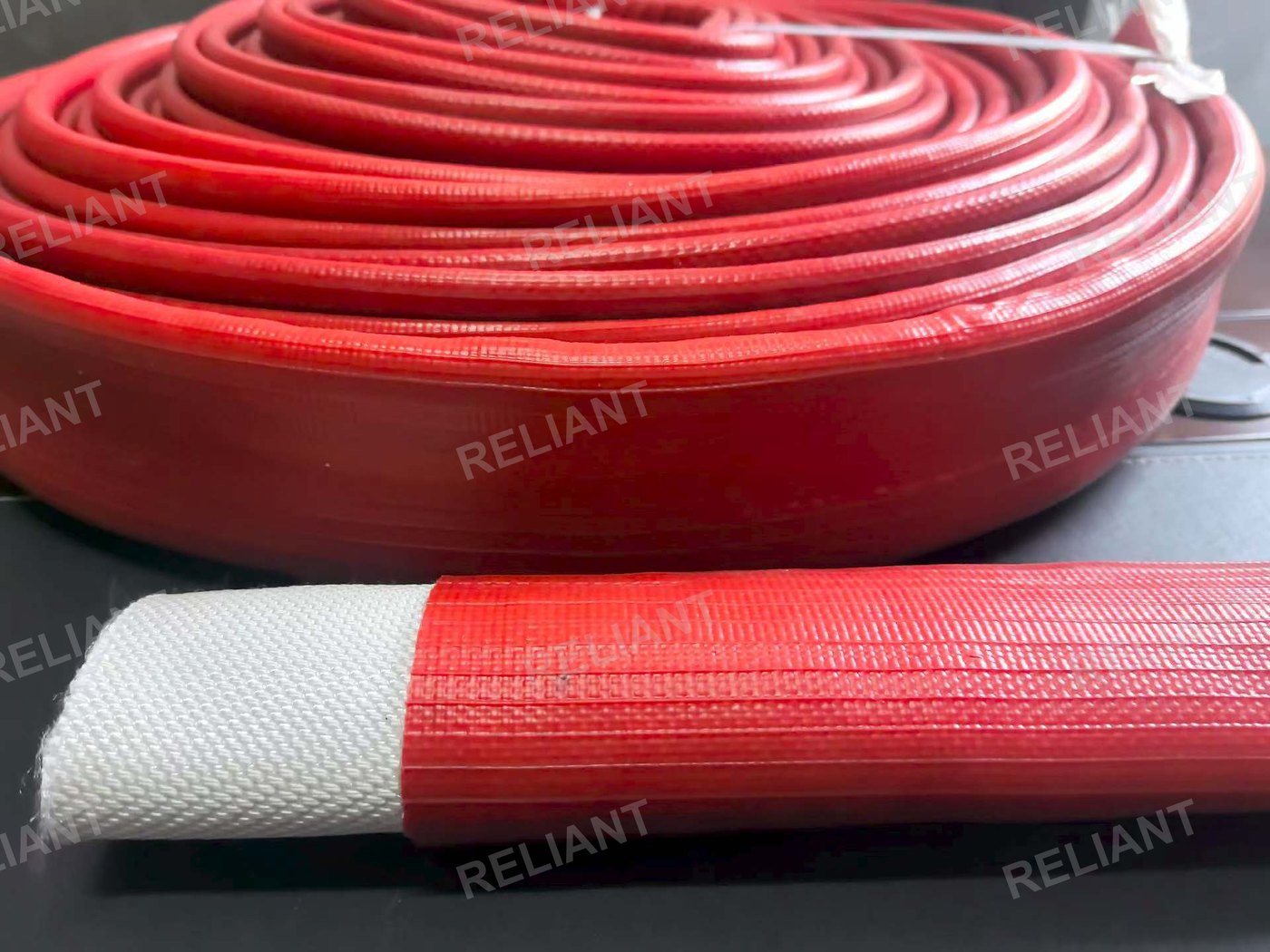
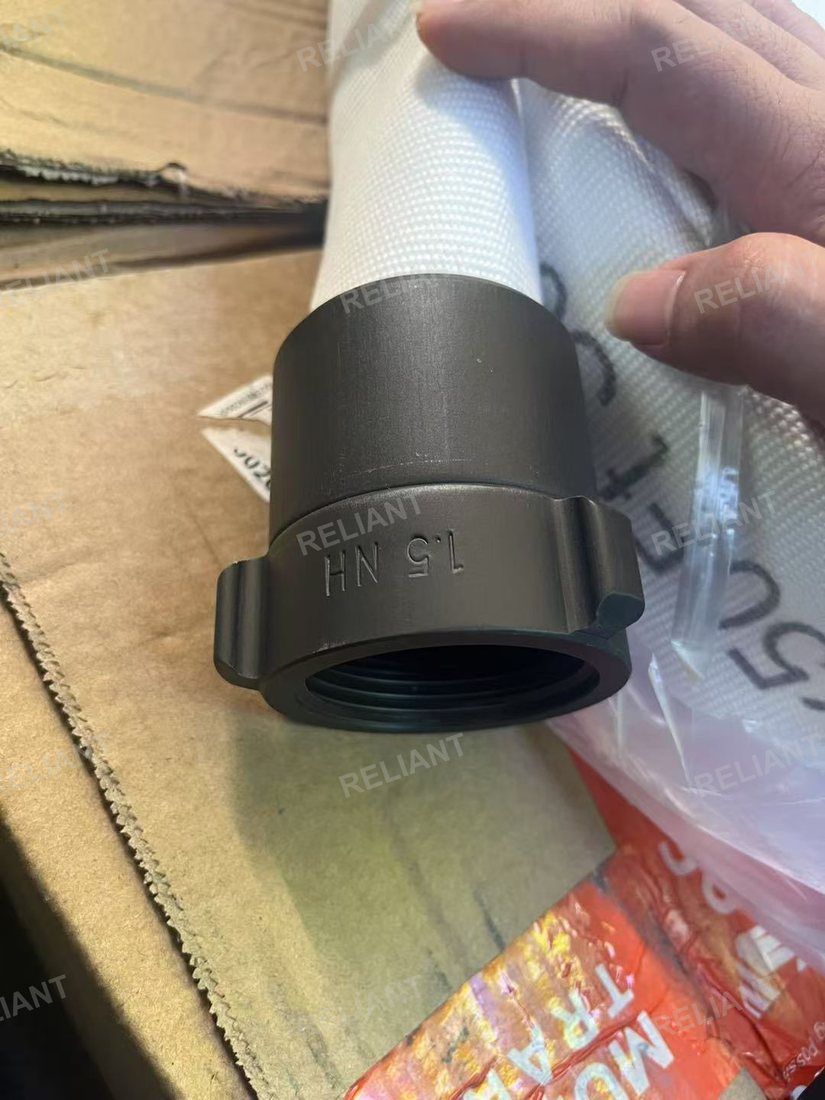
Pressure review must cover the requested assembly, including its hose construction, couplings and attachment method. Confirm requirements with the supplier and the person responsible for the connected system. A pressure value for bare hose does not establish the rating of every possible fitted assembly. Where an order includes multiple diameters or lining options, identify the applicable figure for each line. Reliant Fire confirms the manufacturable material, diameter, pressure and coupling combination for the order.
Write a pressure request that can be verified
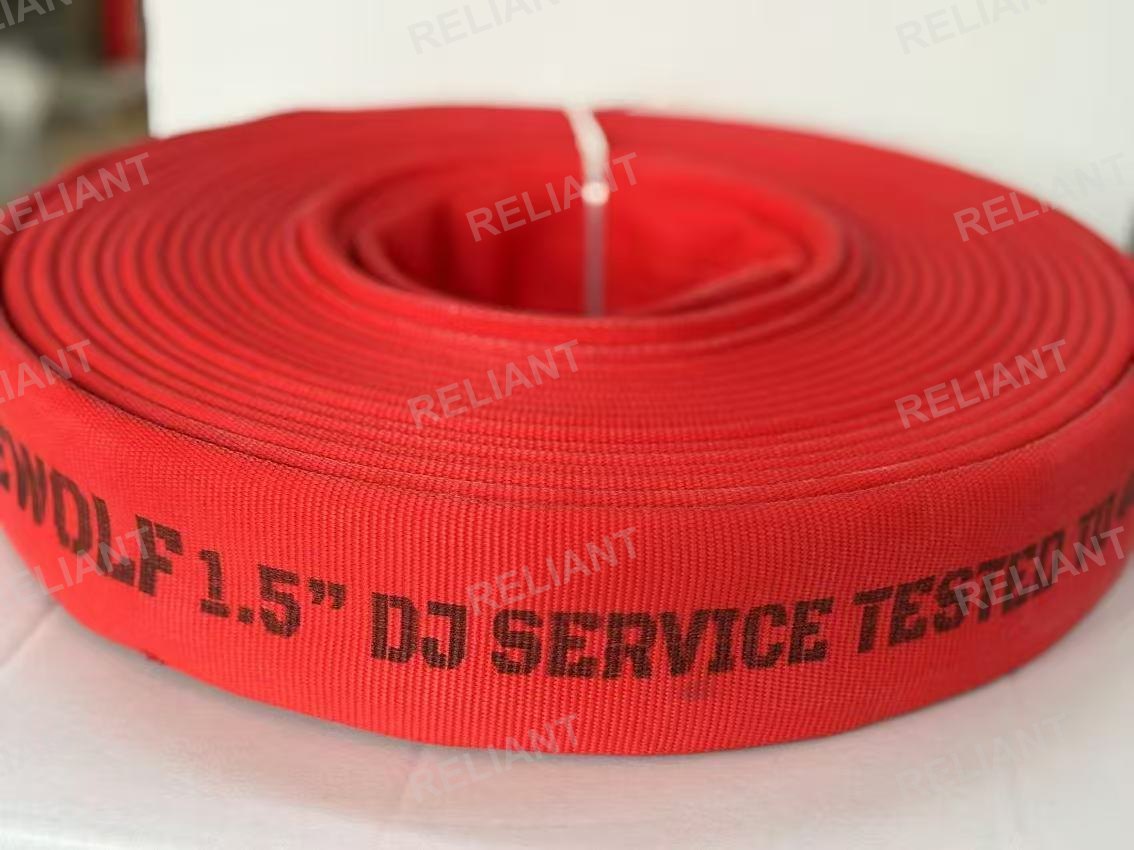
A clear inquiry separates the required operating limit from test and burst requirements. Record the unit, applicable specification and document needed for each. If a customer supplies only a photograph of a marking, ask for the corresponding data sheet before assigning an operating limit. The photograph in this article shows one marking example, not a specification for the entire product range. Pressure testing and system commissioning should be conducted by qualified personnel using the applicable procedures.
Purchasing checklist
| Item | Confirm before ordering |
|---|---|
| Product | Construction, lining, diameter and length |
| Performance | Pressure terminology, model-specific data and required documents |
| Connection | Coupling dimensions, gasket and mating equipment |
| Order | Quantity, marking, packaging and delivery terms |
Frequently asked questions
Can I operate a hose at its burst pressure?
No. Burst pressure is not an operating limit. Obtain the documented operating rating for the complete assembly.
Does test pressure mean working pressure?
No. Identify the test type and applicable specification before interpreting the value.
Is service test the same as factory acceptance test?
No. Their purposes and procedures differ; request the applicable definitions and requirements.
Can I calculate a missing pressure using a fixed multiplier?
Do not assume a universal multiplier. Ask for the model-specific values and test basis.
Do couplings affect the assembly review?
Yes. Confirm the hose, connection and attachment requirements together before accepting the assembly.
What pressure information should I send Reliant Fire?
State operating, test and burst requirements separately with units, model or dimensions and any required documentation.
Manufacturer reference: pressure-rating terminology. Prepared for procurement readers. Reviewed 2026-10-29. Photographs show individual products; visible markings do not specify the whole range.
← All news